When setting up a home theater, most people spend weeks researching left and right speakers. However, many audio enthusiasts quickly realize that their soundstage feels surprisingly thin or incomplete. In fact, you might be missing a massive portion of your audio spectrum without realizing it. As a result, investing in a high-quality dedicated subwoofer is the single most impactful upgrade you can make.
Standard speakers handle dialogue and high-frequency instruments beautifully. Nevertheless, they are physically limited when replicating the deepest octaves of sound. If you want to know if your system is truly delivering, look out for these five clear warning signs.
1. Thin Movie Soundtracks Need a Dedicated Subwoofer
If action movies lack chest-thumping impact during explosions, your system is hitting a wall. Specifically, standard speakers possess small drivers that cannot move enough air for deep bass. As a result, cinematic moments end up sounding small, hollow, and lifeless.
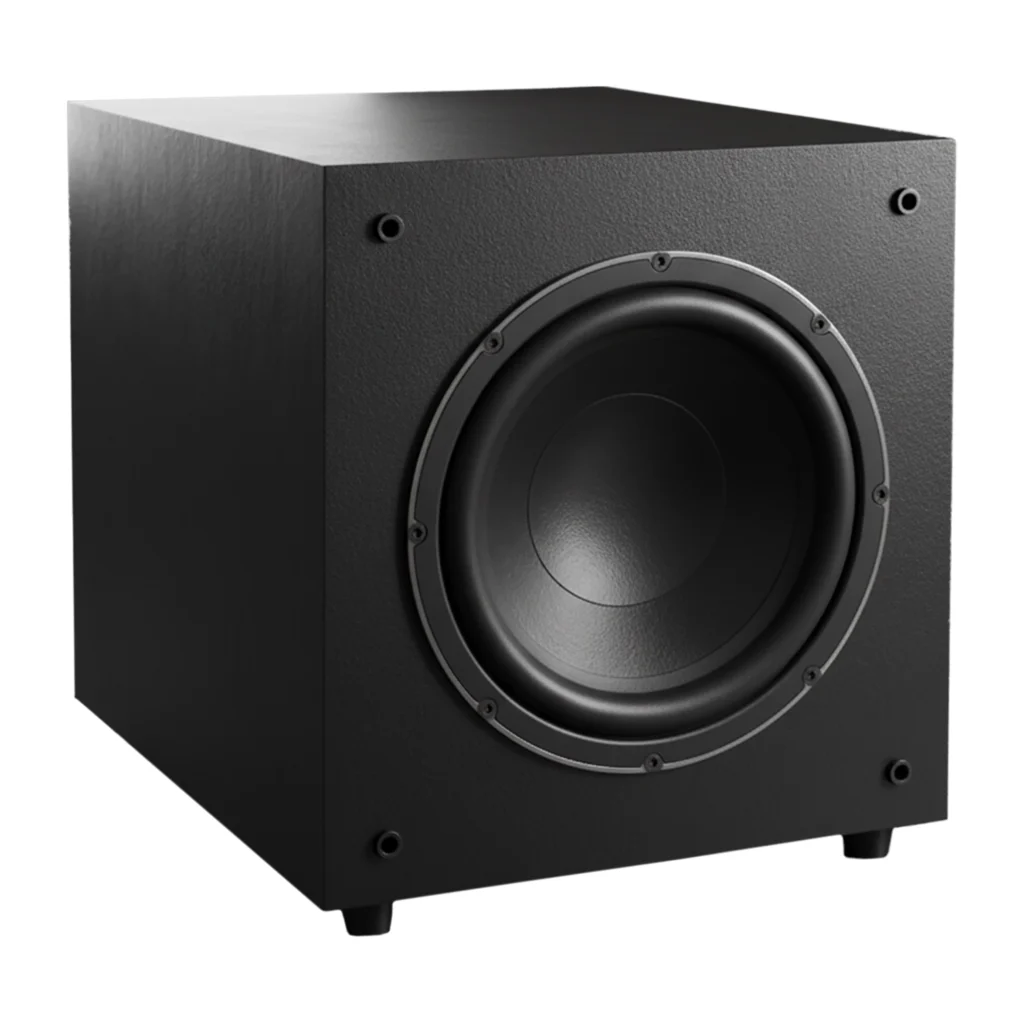
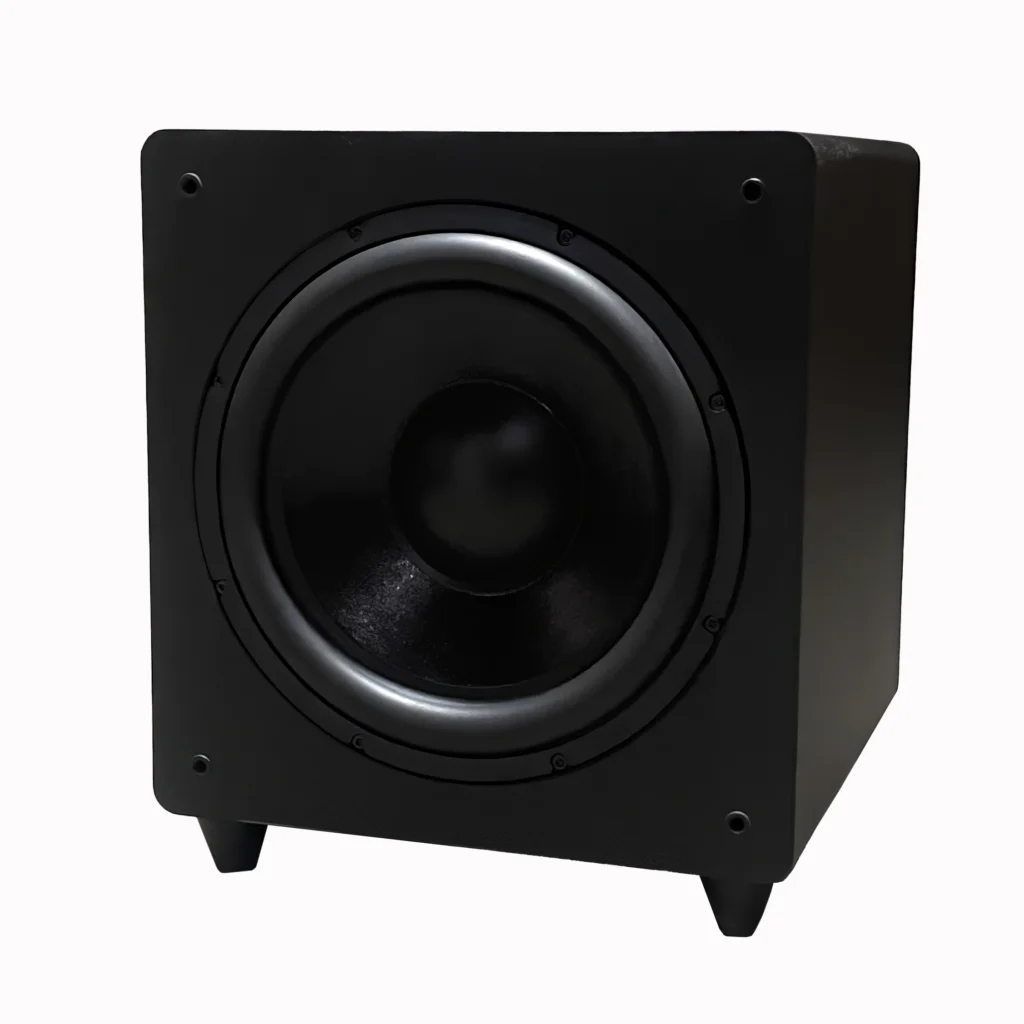
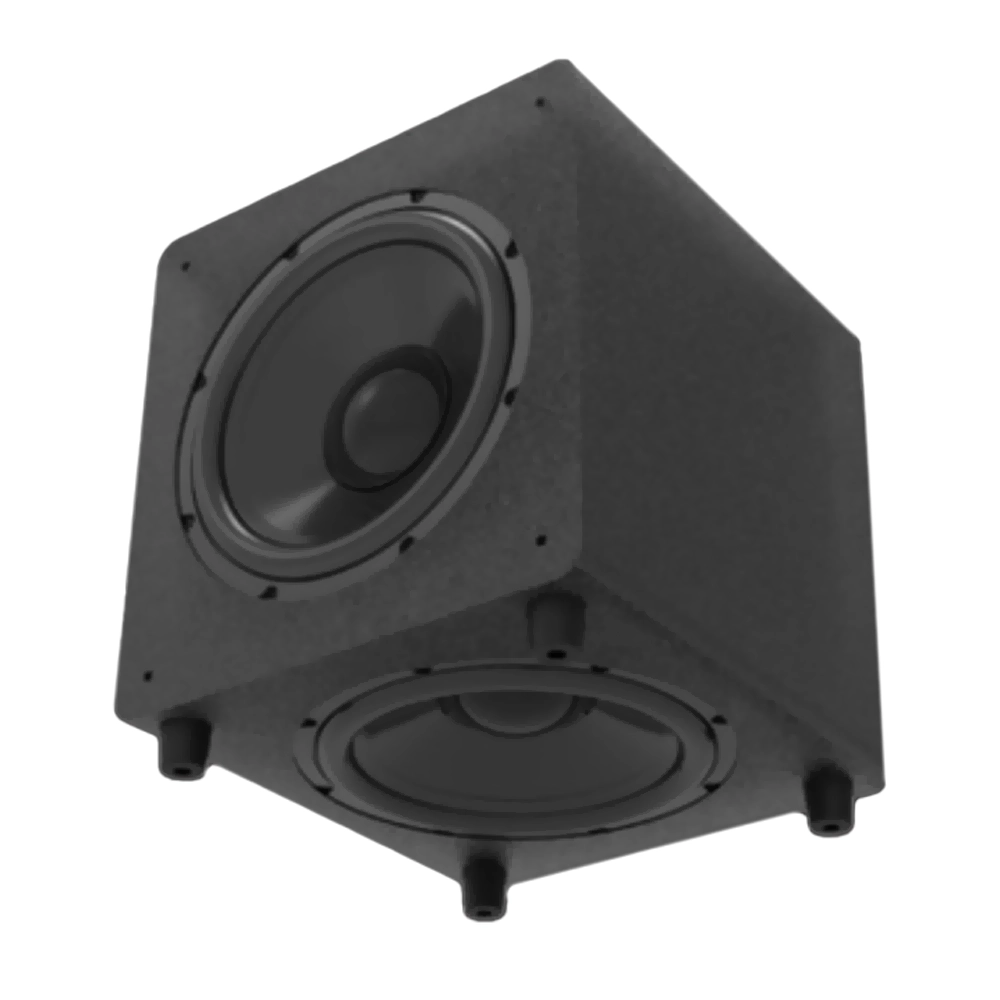
By introducing a dedicated subwoofer like the LiYA P-S10, you fix this issue instantly. This specialized unit takes over the heavy lifting for low-frequency effects. Consequently, your movies transform from a passive viewing experience into a truly physical event.
2. Missing Low Notes Demand a Powered Bass Upgrade
In addition to movies, modern music relies heavily on lower octaves to establish rhythm. For instance, standard bookshelf speakers often completely mute deep electronic synth lines or bass guitars. Therefore, you are only hearing a fraction of the original studio recording.
Conversely, integrating a dedicated subwoofer captures those hidden sub-bass frequencies seamlessly. Furthermore, it allows you to hear the subtle vibrations of an acoustic bass. Accordingly, your favorite music tracks take on a whole new dimension of realism.
3. Hollow Audio at Low Volumes Requires a Dedicated Subwoofer
Do you constantly turn up the volume to hear richness, only to turn it down when vocals get too loud? In other words, your system lacks balanced dynamics across different playback levels. Because human ears struggle to detect low frequencies at low decibels, your audio will sound hollow at night.
Fortunately, a dedicated subwoofer completely solves this problem. Specifically, it maintains a rich, full-bodied sound signature even at low master volumes. Therefore, you can enjoy a warm audio profile without waking up the house.
4. Speaker Strain Signals the Need for an Active Subwoofer
When you push your main speakers to high volumes, you might notice a muddy sound. Consequently, this distortion occurs because your receiver is working too hard to force small speaker cones to produce bass.
By offloading those strenuous lower frequencies to a dedicated subwoofer, you change the workload of your entire system. Subsequently, your main left and right speakers will play much louder and cleaner. Because they are freed from reproducing bass, their mid-range clarity improves dramatically.
5. A Flat Soundstage Invites a Dedicated Subwoofer Upgrade
Finally, a great audio system should make you feel like you are sitting in a live concert hall. Meanwhile, if your audio feels restricted strictly to the physical speaker boxes, your system lacks acoustic depth.
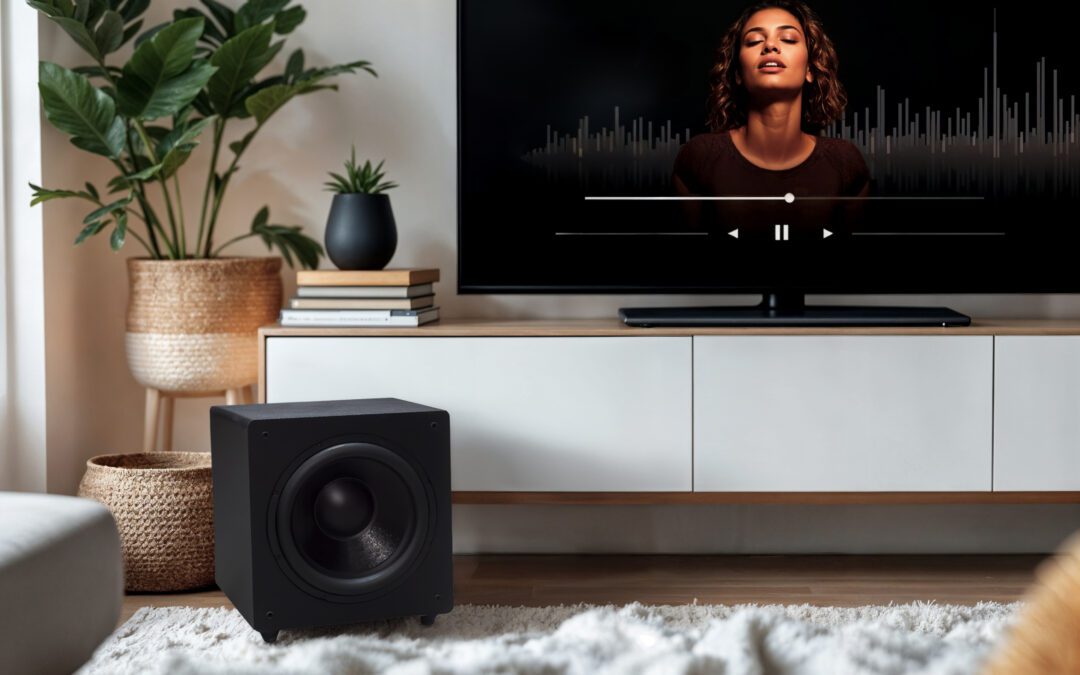
A high-quality dedicated subwoofer fills the room with non-directional, ambient low-end energy. As a result, it creates an expansive, lifelike audio environment where the speakers seemingly disappear. Ultimately, this low-end foundation glues the entire soundstage together.
Summary: The Final Verdict
The Audiophile Reality Check: You can buy the most expensive bookshelf speakers in the world, but physics cannot be cheated. Without a specialized enclosure designed exclusively for low frequencies, you are leaving half of your audio experience on the table.
If you recognize these signs in your daily listening, it is time to upgrade. Adding a dedicated subwoofer like the LiYA P-S10 is the fastest way to breathe new life into your system.