
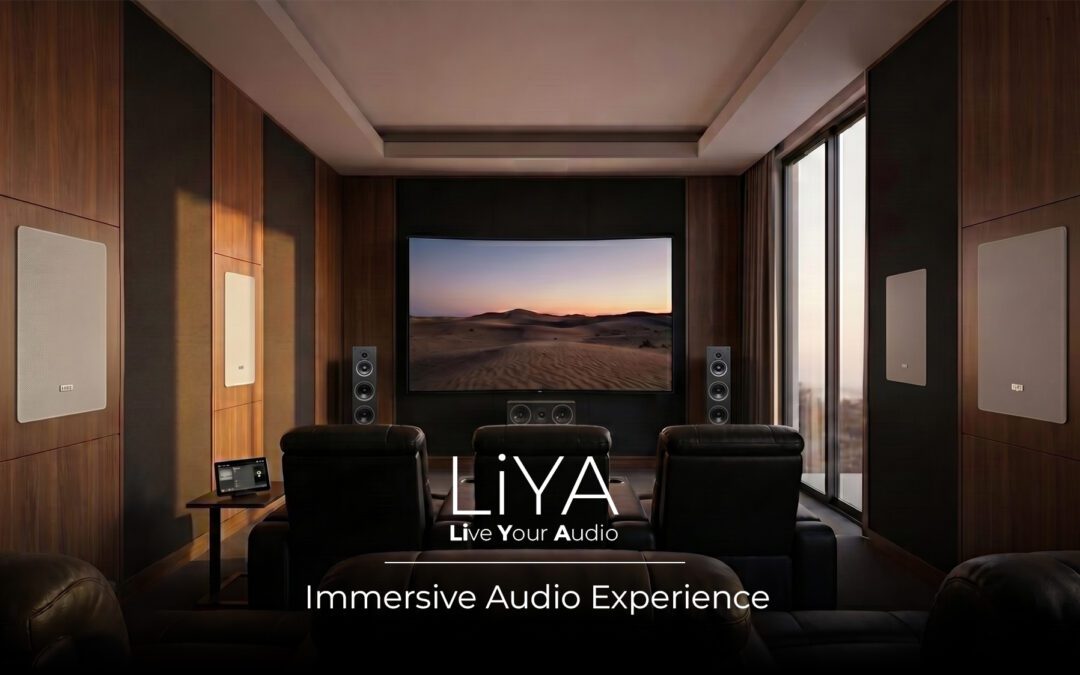
Many enthusiasts mistakenly believe that high-fidelity sound requires large rooms. However, you can create a stunning acoustic experience in an apartment or compact office. This guide explores how to optimize your Small Room Audio setup for professional results.
1. The Power of Proper Positioning to Achieve Premium Small Room Audio
In a small room, sound waves interact with walls almost immediately. Consequently, this creates reflections and "boomy" bass that mask fine details.
- Avoid room corners: Placing speakers in corners often amplifies bass unevenly. Therefore, this leads to a muddy sound profile.
- Implement "near-field" setups: Consider sitting closer to your speakers. By doing this, you hear more direct sound and less acoustic interference.
- Angle your speakers: Try angling them toward your ears. This helps create a focused stereo image, which is vital for compact environments.
2. Managing Low-Frequency Energy
Compact rooms often suffer from excessive low-frequency energy. You must tame this energy to maintain clarity.
- Use strategic calibration: If you use a subwoofer, ensure it is calibrated to your room dimensions. Otherwise, the bass may become overwhelming.
- Utilize physical dampening: Use isolation pads for your speakers. As a result, you decouple them from furniture, which reduces structural vibrations.
- Consider bass traps: Even basic corner foam traps help reduce bass build-up. Consequently, you achieve a much tighter, controlled low-end response.
3. Enhancing Acoustic Clarity
Small spaces frequently suffer from harsh echoes. Fortunately, you can manage these issues without expensive professional treatment.
- Add soft furnishings: Use thick curtains, heavy rugs, or plush furniture. These items absorb high-frequency reflections that make sound fatiguing.
- Improve sound diffusion: Place a bookshelf behind your listening position. This technique makes the room feel larger and more acoustically open.
- Reduce surface reflections: Avoid bare glass tables or hard floors. Instead, consider adding fabric wall hangings to dampen reflections further.
4. Selecting Ideal Equipment for Hi-Fi Small Room Audio
Don't buy the largest equipment available just for "big" sound. Instead, focus on quality.
Match your amplifier: Ensure your amplifier is matched to your speaker sensitivity. Because of this, your music will sound effortless, even at lower volumes.
Scale for your room: Select speakers with a balanced frequency response. Massive output is rarely needed in smaller spaces.
Prioritize quality: A highly accurate set of compact monitors often outperforms a large, poorly controlled system.